
The HRIT Diploma Courses is intended for people who want to further their education while also fulfilling professional duties. HRIT University is UGC Approved and Many working professionals pursue official certifications in order to advance their careers, earn promotions, or improve their technical and professional skills. This diploma program helps learners achieve those goals without requiring them to leave their careers.
In 2026, skill-based education will remain significant. Employers expect professionals to have up-to-date knowledge and recognised qualifications. This handbook provides a detailed explanation of the HRIT Diploma Course for Working Professionals, including eligibility, course structure, learning approach, benefits, career scope, and future potential.
Introduction to HRIT University Diploma Courses
Working professionals frequently confront difficulties when arranging further education. Traditional learning opportunities are limited due to time limits, work pressure, and personal responsibilities. Diploma Courses for Working Professionals address these problems by providing structured academic learning that promotes professional development.
The HRIT Diploma Courses for Working Professionals focuses on practical knowledge, academic discipline, and long-term career development. The program allows learners to gain formal education while continuing employment.
HRIT Diploma Program – Overview
| Program Name | HRIT Diploma Courses |
| Course Type | Diploma Program |
| Designed For | Working Professionals |
| Minimum Eligibility | Class 10 or Equivalent |
| Required Marks | Minimum 50% |
| Program Duration | 3 Years |
| Study Mode | Full-Time (Working Professional Friendly) |
| Academic Structure | Semester-Based |
| Learning Focus | Practical Skills and Applied Knowledge |
| Career Outcome | Skill Enhancement and Career Growth |
| Higher Study Options | Bachelor’s Degree and Advanced Diploma |
| Target Year | 2026 |
What Are the HRIT Diploma Courses?
The HRIT Diploma Courses for Working Professionals is an academic program created for employed individuals who want to improve their qualifications. The program emphasizes applied learning, professional skills, and academic understanding.
This diploma supports professionals who want structured education without disrupting their work life. The program combines academic learning with practical understanding, helping learners strengthen their professional foundation.
HRIT University Diploma Fees Structure
HRIT University Diploma Fees help students and working professionals plan education with clear financial understanding. The diploma program charges ₹25,000 per semester, which supports structured learning and academic resources.
The diploma course runs for a total duration of 2 years, divided into semesters. This duration allows students to complete academic requirements while maintaining focus on skill development and subject clarity.
Clear fee structure and defined course duration support confident academic planning. Students can align education goals with budget expectations and long-term career preparation.
| Program Name | Eligibility | Duration | Fees (Per Semester) |
| Civil Engineering | 12th PCM / ITI Holder | 2 Years | ₹25,000 |
| Electronics and Communication Engineering | 12th PCM / ITI Holder | 2 Years | ₹25,000 |
| Electrical Engineering | 12th PCM / ITI Holder | 2 Years | ₹25,000 |
| Computer Science Engineering | 12th PCM / ITI Holder | 2 Years | ₹25,000 |
Purpose of the HRIT Diploma Program
The main purpose of the HRIT Diploma Program for Working Professionals is to support career advancement through education. Many professionals lack formal qualifications despite having work experience. This diploma helps bridge that gap.
The program aims to:
- Improve academic qualifications
- Enhance professional skills
- Increase career growth opportunities
- Support higher education pathways
- Build confidence through structured learning
Who Should Choose HRIT Diploma?
HRIT Diploma guides learners who plan skill-based education with long-term career value. This diploma suits individuals who want structured academic learning supported by practical knowledge and clear study direction.
Students who complete Class 10 and prefer hands-on learning gain strong value from this program. Working professionals who seek formal qualifications without leaving employment also find this course suitable.
Learners aiming for career improvement, job stability, or higher education benefit from this diploma path. Clear academic structure, defined learning goals, and skill-focused study support consistent progress and confident decision-making.
This diploma program suits individuals from various professional backgrounds.
It is suitable for:
- Working professionals seeking academic recognition
- Employees aiming for promotion or role change
- Professionals wanting skill enhancement
- Individuals planning higher education later
- Learners seeking structured learning
- Recent 10th passout
The program supports learners who want to balance work and education effectively.
Key Features of HRIT University Diploma
HRIT Diploma highlights the core strengths of this academic program for skill-focused learners. The diploma supports structured learning, practical understanding, and clear academic direction for long-term career growth.
The program offers a career-oriented curriculum that focuses on subject clarity and applied knowledge. Students gain practical exposure that supports professional skill development and workplace readiness.
Clear academic structure, defined learning goals, and focused skill development help learners plan education with confidence. These features support consistent progress and meaningful academic outcomes.
The HRIT Diploma Courses for Working Professionals includes several important features:
- Designed for employed learners
- Focus on practical and applied learning
- Structured academic curriculum
- Skill-based approach
- Recognized diploma qualification
These features help professionals achieve career growth without leaving employment.
Eligibility Criteria of HRIT Diploma Courses
HRIT Diploma Courses support skill-based education for students and working professionals who seek structured academic learning with career relevance. These diploma programs focus on practical knowledge, discipline, and subject understanding required for professional growth.
The eligibility criteria of HRIT define the minimum academic qualifications needed to pursue diploma-level education. These requirements ensure that learners possess basic educational knowledge required for technical and professional subjects. Clear standards help applicants evaluate readiness before applying.
Defined eligibility conditions maintain academic quality and learning consistency across diploma programs. These guidelines help students plan education goals, select suitable courses, and prepare for long-term career development with clarity and confidence.
Candidates must meet the following eligibility requirements:
- Passed Class 10 or equivalent
- Minimum 50% marks in the qualifying examination
- Currently employed or professionally active
These requirements ensure learners can manage academic responsibilities alongside work.
Diploma Course Duration and Academic Structure at HRIT
Diploma Course Duration and Academic Structure at HRIT define a clear academic framework that supports structured learning and skill development. The program design helps learners understand subject progression and academic expectations throughout the course timeline.
The duration covers a multi-year academic period that allows gradual learning and knowledge retention. The academic structure divides learning into manageable stages that support conceptual clarity and practical understanding.
A well-defined structure helps students plan studies, manage workload, and track academic progress effectively. Clear timelines and organized academic stages support consistent performance and long-term educational success.
The program duration is three years. The academic structure follows a semester-based system.
- Duration: 2 Years
- Structure: Semester-Based
- Course Type: Diploma
The structured timeline allows gradual learning and manageable workload.
Curriculum Design and Learning Areas at HRIT
HRIT University Diploma defines a structured academic framework that supports skill development and subject understanding. The curriculum focuses on knowledge clarity, practical application, and professional relevance.
The learning areas cover foundational concepts, technical skills, and applied knowledge. Students engage with subjects that support problem-solving ability, academic discipline, and workplace readiness.
A clear curriculum structure helps learners track progress and manage academic goals effectively. Defined learning areas support consistent performance and long-term educational development.
The curriculum focuses on both academic and professional development. The learning areas include:
- Fundamental concepts related to the chosen field
- Practical skill development
- Professional knowledge enhancement
- Applied learning module
- Project and assessment work
The curriculum supports real-world application and career relevance.
Learning Approach for Working Professionals at HRIT
HRIT focuses on structured education that supports career growth alongside job responsibilities. The approach emphasizes clarity, discipline, and skill development without adding academic pressure.
The learning model supports practical understanding and subject relevance. Study patterns encourage consistency, time management, and focused learning that aligns with professional schedules.
Clear academic planning and defined learning objectives help professionals track progress and maintain balance between work and education. This approach supports confidence, knowledge retention, and long-term academic success.
The learning approach supports professionals who manage both work and study. The program focuses on:
- Concept clarity
- Skill development
- Practical understanding
- Academic discipline
- Manageable workload
This approach helps learners progress without academic pressure.
Importance of Practical Learning
HRIT University reflects the institute’s focus on skill development and real-world understanding. Practical learning helps students connect academic concepts with professional application through hands-on experience.
Students engage in lab work, project activities, and skill-based tasks that strengthen subject clarity. Practical exposure improves confidence, technical ability, and problem-solving skills required in professional environments.
A strong practical approach supports career readiness and workplace performance. Skill-focused learning helps students apply knowledge effectively and achieve long-term professional growth.
Practical learning plays a key role in diploma education. The HRIT Diploma Courses for Working Professionals emphasizes applied knowledge.
Practical learning helps:
- Improve problem-solving skills
- Enhance professional confidence
- Support workplace performance
- Develop technical understanding
These benefits strengthen professional capability.
Assessment and Academic Evaluation
HRIT University focuses on measuring knowledge, skill development, and academic progress through structured methods. The evaluation system supports subject understanding and consistent learning outcomes.
Students complete written examinations, practical assessments, and project work that reflect academic performance. These methods encourage concept clarity, application of knowledge, and disciplined study habits.
Clear evaluation standards help students track progress and improve academic performance. A structured assessment system supports fairness, transparency, and long-term educational success.
Assessment methods focus on understanding and skill application. Evaluation may include:
- Written examinations
- Practical assessments
- Project submissions
- Internal evaluations
These methods ensure fair and structured academic progress.
Skill Development Through the Diploma Program
Skill Development Through the Diploma Program focuses on building practical abilities that support academic growth and professional readiness. The program helps learners develop technical knowledge, problem-solving ability, and subject understanding through structured learning.
Students gain hands-on experience that strengthens confidence and improves task execution. Regular practice, project work, and skill-based activities support accuracy, discipline, and performance improvement.
Focused skill development prepares learners for workplace demands and higher education goals. Strong practical abilities help students apply knowledge effectively and achieve long-term career progress.
The diploma program helps learners develop important skills, including:
- Technical knowledge
- Analytical thinking
- Professional communication
- Time management
- Problem-solving ability
These skills support long-term career growth.
Career Benefits of HRIT Diploma Program
Career Benefits of HRIT Diploma Program include skill enhancement, academic recognition, and improved professional opportunities. The diploma supports career growth through structured learning and practical knowledge.
Students gain industry-relevant skills that improve job readiness and workplace performance. The program helps learners qualify for better roles, increased responsibility, and long-term career stability.
A strong academic foundation supports career progression and higher education goals. Skill-focused learning helps students build confidence and achieve professional success.
Completing the diploma program offers several career benefits:
- Improved professional credibility
- Better promotion opportunities
- Increased job stability
- Enhanced workplace performance
- Eligibility for higher roles
The diploma adds value to professional profiles.
Career Opportunities After Completion
Career Opportunities After Completion support students who seek employment growth and professional stability after finishing the diploma program. The qualification opens access to entry-level roles across technical and professional sectors.
Graduates qualify for roles that require practical skills, subject understanding, and academic discipline. Employers value diploma holders for hands-on ability, workplace readiness, and task execution skills.
Career growth continues through experience, skill improvement, and higher education options. The diploma creates a foundation for long-term professional development and role advancement.
After completing the HRIT Diploma Program for Working Professionals, learners may experience:
- Improved job roles
- Better salary prospects
- Career transition opportunities
- Recognition of academic qualification
The diploma supports career advancement across sectors.
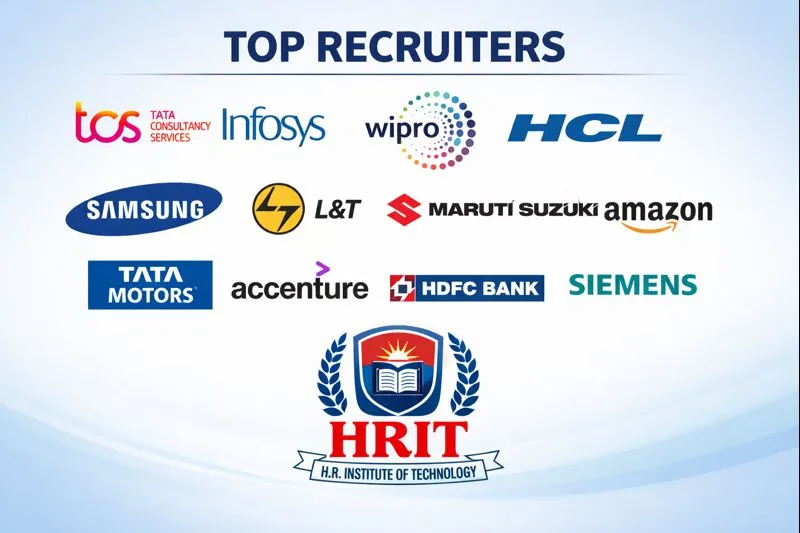
HRIT UNIVERSITY RECRUITMENT
Higher Education Options After Diploma
Higher Education Options After Diploma provide students with opportunities to expand academic knowledge and improve career prospects. Diploma holders can pursue advanced qualifications that support professional growth and specialization.
Students may enroll in undergraduate degree programs, advanced diploma courses, or professional certifications related to their field of study. These options help strengthen subject expertise and open pathways to higher-level roles.
Continued education supports long-term career development and academic progression. Clear education pathways help learners plan goals, improve qualifications, and achieve professional stability.
The diploma program creates opportunities for further education, including:
- Bachelor’s degree programs
- Advanced diploma courses
- Professional certifications
Higher education improves career scope and earning potential.
Why Do Diploma Programs Matter for Working Professionals?
Diploma Programs address the need for skill-based education that supports career growth without job interruption. Diploma programs offer structured learning that aligns academic progress with professional responsibilities.
Working professionals gain practical knowledge and formal qualifications through focused coursework. These programs support skill improvement, role advancement, and workplace confidence through disciplined academic learning.
Diploma programs help professionals plan long-term career goals and higher education pathways. Clear academic structure and applied learning support stability, growth, and professional success.
Diploma programs offer a balanced approach to education. They focus on applied learning rather than theory alone.
Benefits include:
- Shorter duration than degree programs
- Skill-oriented learning
- Career-focused curriculum
- Academic recognition
These factors make diploma programs valuable for professionals.
Admission Process at HRIT University
Admission Process at HRIT University provides a clear and structured path for students and working professionals seeking diploma education. The process focuses on transparency, eligibility verification, and academic readiness.
Applicants begin by submitting required academic details and personal information. Document verification confirms eligibility criteria and supports accurate enrollment decisions.
A structured admission framework helps students plan education with clarity and confidence. Clear steps support smooth enrollment and timely academic progression.
The admission process generally includes:
- Application form submission
- Academic document verification
- Eligibility confirmation
- Enrollment completion
Applicants should ensure accuracy in submitted details.
Recognition and Academic Value
Recognition and Academic Value reflect the importance of structured education and formal qualifications in academic and professional growth. Diploma programs provide recognized learning pathways that support credibility and long-term educational planning.
Academic value comes from a defined curriculum, skill-based learning, and consistent evaluation standards. These factors help students build a strong educational foundation and demonstrate subject competence.
Recognized academic credentials support career progression and higher education opportunities. Clear academic value helps learners gain confidence, professional acceptance, and long-term stability.
The HRIT Diploma Courses follow recognized academic guidelines. The diploma holds value for employment, promotions, and higher education.
Academic recognition ensures credibility and acceptance.
Balancing Work and Study
Balancing Work and Study requires discipline, planning, and focused learning habits. Diploma programs support working professionals who manage academic goals alongside job responsibilities through structured study frameworks.
Students develop time management skills that help maintain consistency in both education and work tasks. Clear academic schedules and defined learning objectives support steady progress without professional disruption.
Effective balance improves productivity, confidence, and long-term career growth. A disciplined approach to learning helps professionals achieve academic success while maintaining workplace performance.
Balancing work and education requires discipline. The diploma program supports professionals by offering structured learning.
Key strategies include:
- Consistent study schedule
- Time management
- Practical application of learning
- Academic planning
These strategies support success.
Challenges Faced by Working Professionals
Challenges Faced by Working Professionals often arise from managing job responsibilities alongside academic commitments. Limited time, work pressure, and personal obligations create difficulty in maintaining consistent study routines.
Professionals face challenges related to time management, mental fatigue, and academic focus. Work schedules demand attention, which affects study hours and learning consistency.
Clear academic planning and disciplined study habits help professionals overcome these challenges. Structured learning support and focused effort improve balance, confidence, and academic performance.
Working professionals may face challenges such as:
- Limited study time
- Work pressure
- Personal responsibilities
The structured diploma program helps manage these challenges effectively.
Future Scope of Diploma Programs in 2026
Future Scope of Diploma Programs in 2026 highlights growing demand for skill-based education across industries. Employers value practical knowledge, technical ability, and job-ready skills in a competitive job market.
Diploma programs support workforce readiness through focused learning and applied training. Students gain relevant skills that match industry requirements and emerging job roles.
Strong career scope continues through higher education, certifications, and professional growth. Diploma qualifications help learners adapt to changing industry needs and achieve long-term career stability.
In 2026, skill-based education continues to gain importance. Employers value professionals with formal qualifications and practical knowledge.
Diploma programs support adaptability and career resilience.
Long-Term Career Impact
Long-Term Career Impact reflects the lasting value of diploma education in professional growth and stability. A diploma builds a strong foundation that supports consistent career progress and skill advancement.
Graduates gain practical knowledge and academic confidence that improve job performance and role suitability. Professional experience combined with formal education strengthens career credibility and growth potential.
Sustained learning and skill development lead to leadership opportunities and higher education pathways. A strong academic base supports adaptability, career longevity, and long-term professional success.
The diploma program supports long-term professional development. It strengthens academic background and professional capability.
Long-term benefits include:
- Career stability
- Continuous learning
- Professional growth
- Educational progression
Conclusion
The HRIT Diploma Program for Working Professionals – Complete Guide (2026) provides a structured academic pathway for employed individuals seeking professional and educational growth. The program focuses on practical learning, skill development, and academic recognition.
This diploma supports professionals who want to strengthen their qualifications, improve career prospects, and prepare for future educational opportunities without leaving their jobs.
FAQs
1. What is the HRIT Diploma Program for Working Professionals?
It is a diploma-level academic program designed for employed individuals seeking formal education alongside work.
2. Who can apply for this diploma program?
Candidates who have completed Class 10 with at least 50% marks and are professionally active can apply.
3. What is the duration of the diploma program?
The program is scheduled to last 2 years.
4. Can I continue my education after completing this diploma?
Yes, graduates can pursue bachelor’s degree programs or advanced diplomas.
5. Is this diploma useful for career growth?
Yes, it helps improve professional skills, qualifications, and career opportunities.